
6G6G | Rinha de Galos: Tradition and Controversy
Rinha de Galos, or cockfighting, embodies rich cultural traditions yet faces criticism for animal cruelty. This article explores its cultural significance, legal status, and future implications. de 6G6G
Exploring the Controversy of Rinha de Galos
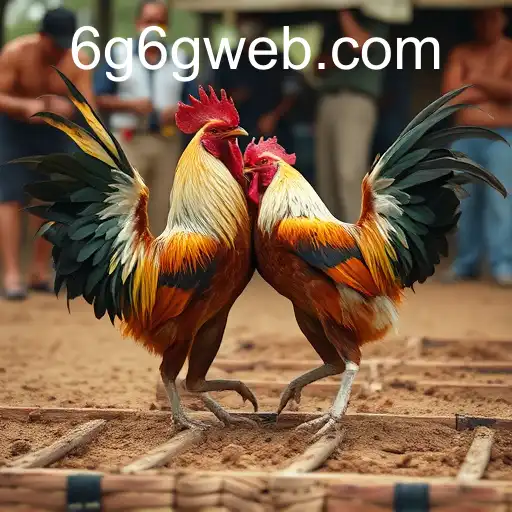
The practice of Rinha de Galos, or cockfighting, has been a subject of intense debate worldwide. This traditional sport, often associated with various cultures, involves breeding, training, and fighting roosters. The keyword "6G6G" may not directly connect with Rinha de Galos but signifies the complexity and multifaceted nature of discussions surrounding the sport.
The Historical Roots of Rinha de Galos
Cockfighting has a long and storied history, dating back over 2,000 years. Civilizations in Asia, the Mediterranean, and the Americas have engaged in this practice. Historically, it was seen as a symbol of strength and valor, often associated with celebratory events and social gatherings.
In many cultures, cockfighting has evolved into a ritualistic event that goes beyond mere entertainment. It involves elements of tradition, social status, and even spirituality. The roosters, bred specifically for aggression and trained meticulously, are seen as extensions of their owners.29P.com
The Controversial Aspects of Cockfighting
The controversy surrounding Rinha de Galos primarily stems from animal rights concerns. Critics argue that the practice is inherently cruel, subjecting animals to needless pain and suffering. The roosters are often equipped with spurs and razor-sharp blades to maximize damage, leading to fatal injuries.
On the other hand, proponents argue that cockfighting is a cultural heritage that should be preserved. They often point out that the practice supports local economies and provides livelihoods for breeders and trainers. This divide raises fundamental questions about tradition versus modern ethical standards.
Legal Status of Rinha de Galos Worldwide
Globally, the legal status of cockfighting varies significantly. In many countries, it is banned outright due to animal cruelty laws. However, in some regions, it remains legal and even regulated. Legal cockfights are often conducted under specific guidelines to ensure a level playing field.73bet
In countries where cockfighting is banned, the sport often goes underground, operating in secret with the support of dedicated communities. This can lead to a lack of oversight and increased risks for the animals involved. In contrast, regions where it is legal often have more structured environments with established rules and guidelines.
Socio-cultural Impact of Cockfighting
Cockfighting's impact on society and culture cannot be overlooked. It serves as a social hub in many regions, bringing people together across generations. These events are often lively affairs, featuring food, music, and camaraderie. For many, attending a cockfight is as much a social obligation as it is a recreational activity.
Despite its communal nature, the sport's controversy might overshadow its cultural significance. Debates about moral and ethical implications often dominate discussions, sometimes leading to an erosion of traditional values associated with the practice.
Economic Implications of Rinha de Galos
The economic impact of cockfighting is substantial in regions where it is prevalent. It supports industries ranging from agriculture to hospitality. Breeding and training roosters is a meticulous and time-consuming process, creating a niche market for high-quality birds.NNBET.com
Additionally, cockfighting events can draw significant crowds, generating revenue from tickets, betting, and goods. The financial stakes involved in betting are especially high, attracting participants from various economic backgrounds.5ubet.com
The Future of Cockfighting in a Modern World
The future of Rinha de Galos in a rapidly globalizing world is uncertain. Increasing scrutiny from international wildlife and animal rights organizations pressures governments to review and revise laws. This could eventually lead to stricter enforcement of bans or more structured legalization.
However, any changes to the practice must consider the cultural and economic facets intertwined with it. A balanced approach that respects tradition while addressing ethical concerns could pave the way for a more acceptable form of the sport.
Conclusion
While the practice of cockfighting sparks heated debates, it remains an integral part of cultural heritage for many. Understanding Rinha de Galos through a multi-dimensional lens allows for a deeper appreciation of its complexities. It calls upon societies and governing bodies to strike a balance between tradition and evolving ethical norms.73bet
